
Introduction
Artificial intelligence is changing how people work, communicate, learn, shop, and make decisions. Businesses use AI to automate tasks, improve customer experiences, analyze data, and increase productivity. At the same time, consumers interact with AI through search engines, virtual assistants, recommendation systems, and smart devices.
Despite its growing presence, many people struggle to understand how AI works and how it affects everyday life. New technologies emerge rapidly, making it difficult for businesses and individuals to separate meaningful innovations from temporary trends. Without reliable information, organizations may invest in the wrong solutions, while professionals may miss valuable opportunities to develop relevant skills.
This is why AI Technology Insights are important. Understanding key developments, challenges, and practical applications helps individuals and businesses make informed decisions about adopting and using artificial intelligence effectively.
Main Causes Behind the Growing Importance of AI Technology
Several factors have contributed to the rapid rise of artificial intelligence across industries.
1. Explosion of Digital Data
Every online interaction generates data.
Websites, mobile apps, social media platforms, sensors, and connected devices create massive amounts of information every day. AI systems use this data to recognize patterns, make predictions, and improve performance.
As data volumes continue to grow, AI becomes increasingly valuable for processing and analyzing information efficiently.
2. Advances in Computing Power
Modern processors and cloud computing platforms have dramatically increased the speed and affordability of AI development.
Tasks that once required expensive hardware can now be performed through cloud-based services, allowing businesses of all sizes to access advanced AI capabilities.
3. Demand for Business Efficiency
Organizations constantly seek ways to improve productivity while reducing operational costs.
AI helps by:
- Automating repetitive tasks
- Improving decision-making
- Enhancing customer service
- Optimizing workflows
- Increasing operational efficiency
This demand continues to drive AI adoption across industries.
4. Competitive Market Pressure
Businesses face growing competition in nearly every sector.
Companies that successfully leverage AI often gain advantages through faster processes, better customer experiences, and improved insights. As competitors adopt AI, others are encouraged to follow.
5. Ongoing Research and Innovation
Universities, research institutions, and technology companies invest heavily in AI research.
These investments lead to new algorithms, tools, and applications that continuously expand the capabilities of artificial intelligence.
Step-by-Step Solutions for Understanding and Using AI Technology Effectively
Keeping up with AI developments does not require a technical background. A structured approach can make learning more manageable.
Step 1: Learn the Fundamentals of AI
Start with basic concepts before exploring advanced topics.
Important areas include:
- Machine learning
- Deep learning
- Natural language processing
- Computer vision
- Predictive analytics
Understanding these foundations makes it easier to evaluate new technologies and industry updates.
Step 2: Identify Real-World Applications
AI becomes easier to understand when viewed through practical examples.
Common applications include:
- Chatbots
- Recommendation systems
- Fraud detection
- Medical diagnostics
- Supply chain optimization
Recognizing how AI solves real problems provides valuable context.
Step 3: Follow Trusted Sources
Reliable information is essential for staying informed.
Consider following:
- Industry reports
- Research publications
- Technology news websites
- Academic institutions
- Official company announcements
Quality sources help reduce confusion and misinformation.
Step 4: Explore AI Tools Hands-On
Practical experience often improves understanding more than theory alone.
Experiment with:
- AI writing assistants
- Image-generation tools
- Data analysis platforms
- Productivity applications
- Automation software
Hands-on use provides insight into both the strengths and limitations of AI systems.
Step 5: Evaluate Business Impact
When considering AI adoption, focus on measurable outcomes.
Ask questions such as:
- Does it save time?
- Can it reduce costs?
- Will it improve customer satisfaction?
- Does it support business goals?
Evaluating practical benefits helps organizations make smarter investments.
Key AI Technology Insights Shaping the Future
Several major trends are influencing the future direction of artificial intelligence.
Generative AI Expansion
Generative AI has become one of the most significant developments in recent years.
These systems can create:
- Text
- Images
- Videos
- Audio
- Computer code
Businesses use generative AI to improve productivity, accelerate content creation, and support customer interactions.
AI-Powered Automation
Automation remains one of AI’s most valuable applications.
Organizations are using AI to automate:
- Data entry
- Scheduling
- Customer support
- Invoice processing
- Inventory management
Automation allows employees to focus on strategic and creative tasks rather than repetitive work.
Industry-Specific AI Solutions
General-purpose AI tools are increasingly being supplemented by specialized solutions.
Examples include:
- Healthcare diagnostic systems
- Financial risk assessment tools
- Legal document analysis software
- Manufacturing quality-control platforms
Industry-focused solutions often deliver greater accuracy and efficiency.
Responsible and Ethical AI
As AI adoption grows, ethical concerns become more important.
Organizations are focusing on:
- Transparency
- Fairness
- Bias reduction
- Privacy protection
- Accountability
Responsible AI practices help build trust among customers, regulators, and stakeholders.
Edge AI Development
Traditional AI systems often rely on cloud computing.
Edge AI processes information directly on devices such as:
- Smartphones
- Smart cameras
- Industrial sensors
- Connected vehicles
This approach improves speed, reduces latency, and enhances privacy.
Advanced Fixes for Long-Term AI Success
Organizations seeking deeper AI benefits can implement more advanced strategies.
Build Strong Data Governance
AI systems depend on high-quality data.
Effective governance includes:
- Data accuracy standards
- Security controls
- Privacy policies
- Access management
- Compliance procedures
Strong governance improves model performance and reduces risk.
Develop Internal AI Expertise
Relying solely on external vendors can limit flexibility.
Organizations should invest in building internal capabilities through:
- Employee training
- AI-focused hiring
- Cross-functional collaboration
- Ongoing education programs
Internal expertise supports innovation and long-term competitiveness.
Create an AI Governance Framework
A governance framework establishes clear rules for AI development and deployment.
Important elements include:
- Risk assessment
- Ethical guidelines
- Regulatory compliance
- Performance monitoring
- Accountability processes
Governance helps ensure responsible and sustainable AI use.
Combine Human Judgment With AI
AI works best when supporting human decision-making rather than replacing it entirely.
Human oversight is especially important for:
- Hiring decisions
- Medical recommendations
- Financial approvals
- Legal evaluations
This balance improves accuracy and reduces unintended consequences.
Tips to Prevent Common AI Adoption Problems
Many AI projects face challenges that can be avoided with proper planning.
Start With Clear Objectives
Define specific goals before implementing AI solutions.
Examples include:
- Improving customer response times
- Reducing operational expenses
- Increasing sales conversions
- Enhancing forecasting accuracy
Clear objectives improve project success rates.
Focus on Data Quality
Even advanced AI systems cannot overcome poor-quality data.
Regular audits, cleaning processes, and validation procedures help maintain reliable results.
Avoid Technology Hype
Not every AI trend will benefit every organization.
Evaluate solutions based on business value rather than popularity.
Train Employees Continuously
Successful AI adoption depends on employee understanding and engagement.
Regular training helps teams use new technologies effectively.
Monitor Performance Regularly
AI systems should be reviewed continuously to ensure they remain accurate, effective, and aligned with business goals.
FAQs
What are AI Technology Insights?
AI Technology Insights refer to valuable information about artificial intelligence trends, applications, innovations, challenges, and future developments.
Why is AI important for businesses?
AI helps businesses automate processes, improve decision-making, reduce costs, increase productivity, and enhance customer experiences.
What industries benefit most from AI?
Healthcare, finance, retail, manufacturing, logistics, education, marketing, and cybersecurity are among the industries benefiting significantly from AI adoption.
Is AI difficult for beginners to understand?
No. While some technical concepts can be complex, many AI applications and principles can be understood through practical examples and basic learning resources.
What is the future of AI technology?
The future of AI is expected to include more advanced automation, improved generative AI systems, industry-specific solutions, stronger regulations, and increased integration into everyday business operations.
Conclusion
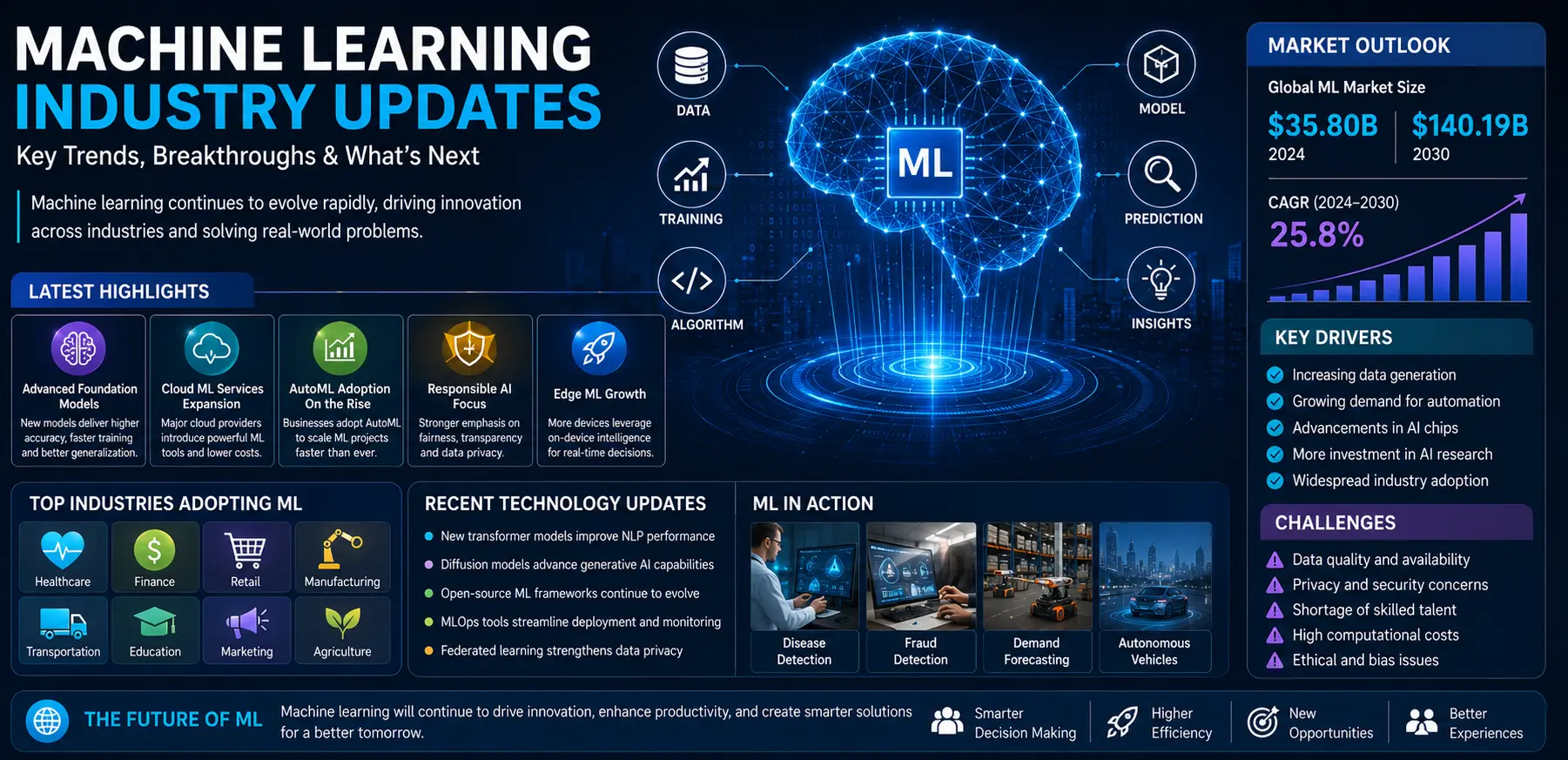
Artificial intelligence continues to reshape industries, create new opportunities, and transform how organizations operate. Understanding AI Technology Insights helps businesses and individuals stay informed about emerging trends, practical applications, and potential challenges.
Key developments such as generative AI, automation, responsible AI practices, edge computing, and industry-specific solutions are driving the next phase of innovation. Organizations that focus on data quality, employee education, governance, and measurable outcomes will be better positioned to benefit from these advancements.
As AI technology evolves, maintaining a balanced approach that combines innovation with responsible implementation will be essential for achieving long-term success.
- Future of Artificial Intelligence Industry Trends Opportunities and Challenges Ahead
- Enterprise AI Solutions How Businesses Use Artificial Intelligence to Improve Efficiency and Growth
- AI Automation in the Workplace Benefits Challenges and Practical Implementation Strategies
- Generative AI Business Applications How Companies Are Using AI to Improve Productivity and Growth
- Artificial Intelligence Trends 2026 Key Innovations Shaping the Future
